


Yin Yoga for Babies: connection, relaxation and developmental benefits
Yin Yoga, a variant of Hatha Yoga, is a practice that focuses on holding postures (asanas) for a prolonged period of time, between 2 and 5 minutes, allowing for deep relaxation. During this time, the body relaxes and the mind calms down, which stimulates the flow of vital energy or Chi (Qi), similar to Prana in Ayurvedic medicine. This leads to a state of deep relaxation and prepares body and mind for meditation. Although traditionally associated with adults, Yin Yoga can also be beneficial for babies, as long as it is done with care. Parents and caregivers can incorporate elements of this practice to help babies relax and connect emotionally, promoting a calm and peaceful environment.
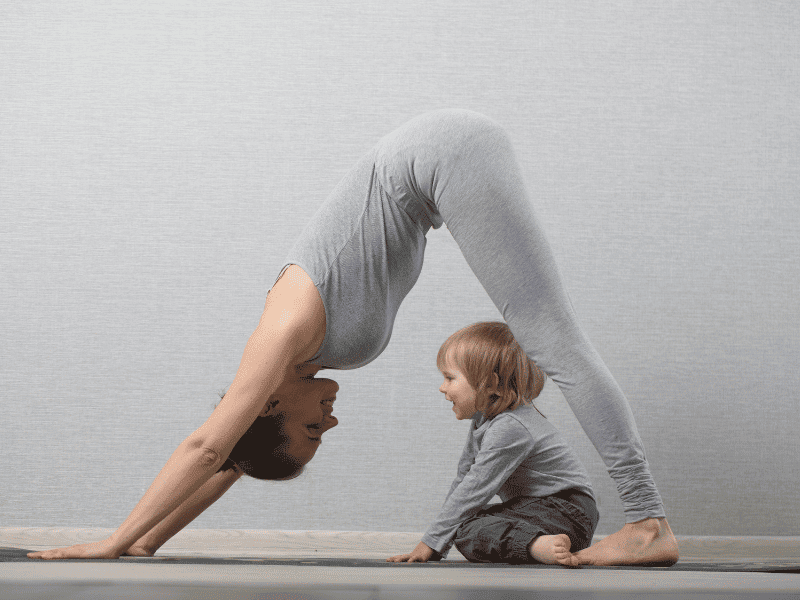
What is Yin Yoga for babies?
Yin Yoga for babies is not just about physical postures, but about creating a serene environment that fosters a connection between caregiver and baby. Gentle movements, accompanied by conscious breathing, can calm the baby and reduce stress for both child and caregiver. This type of practice strengthens bonding and helps create moments of shared relaxation.
Benefits of Yin Yoga for the baby’s emotional and physical development
Yin Yoga for babies offers multiple benefits, both physical and emotional:
- Deep relaxation: Gentle movements and breathing help calm the baby’s nervous system.
- Emotional connection: Close contact during postures promotes bonding between baby and caregiver.
- Sensory development: Integrating tactile elements such as soft blankets or appropriate toys stimulates baby’s senses.
- Improved flexibility: Gentle postures, such as Yin Butterfly, help the flexibility of the hips.
- Stimulation of emotional development: Skin-to-skin contact and visual interaction reinforce the baby’s security and confidence.
Yin Yoga postures adapted for babies
Rather than following a standard sequence, Yin Yoga for babies is based on simple, gentle postures that encourage relaxation and connection:
- Yin Clamp: The caregiver holds the baby in an upright position, supporting the baby’s head and back, while both relax. This posture not only promotes attachment, but also conveys calmness to the baby.
- Yin Butterfly: The caregiver sits cross-legged, placing the baby on her lap with her legs gently spread. This posture helps hip flexibility and promotes relaxation.
- Yin cradle: With the baby lying on the lap, the caregiver gently cradles the baby, providing security and physical and emotional well-being.
- Yin Wave: The caregiver gently rocks the baby from side to side, mimicking the rhythmic motion of waves. This gentle rocking helps calm the baby and promotes gentle stretching.
- Yin Flower: Placing the baby’s feet together while lying down promotes hip flexibility and deep relaxation.
How to safely practice Yin Yoga for babies
It is crucial to practice Yin Yoga for babies with caution, adapting the postures according to the baby’s signals. The practice should be gentle, brief and in accordance with the baby’s emotional and physical state at the time. Here are some tips to ensure safety:
- Listen to the baby: If the baby shows signs of restlessness, it is important to stop and offer other forms of comfort.
- Medical consultation: Before incorporating any activity, be sure to consult with your pediatrician, especially if your baby has a medical condition.
- Duration of sessions: Sessions should be short, no more than 5 to 10 minutes, so as not to overstimulate the baby.
The importance of skin-to-skin contact in Yin Yoga
Skin-to-skin contact is fundamental in Yin Yoga sessions for babies. This practice not only promotes physical well-being, but also has emotional benefits, such as regulating the baby’s heart rate. Holding the baby on the chest during the postures fosters a deep emotional and physical connection.
Integration of sensitive elements in the sessions
To enrich Yin Yoga sessions, you can integrate sensory elements such as soft blankets and soothing music. Conscious breathing by the caregiver also plays a key role in the baby’s relaxation. Yin breathing, with slow, deep movements, helps calm the nervous system of both baby and caregiver. Yin Yoga for babies should not be seen as a substitute for essential daily interactions, such as playtime or feeding, but as a complement to strengthen emotional connection and promote relaxation. Customize the practice to your baby’s needs and cues, creating an environment that fosters calmness, sensory development and well-being. By integrating Yin Yoga into the daily routine, both caregiver and baby can enjoy moments of deep connection and mutual relaxation.