


Yin yoga and vagus nerve: connection between body, mind and nervous system
What is Yin Yoga?
Yin Yoga is a gentle, meditative style of yoga derived from Hatha yoga. It is characterized by maintaining the asanas (postures) passively for a prolonged period of time, between 2 and 5 minutes. This practice stimulates vital energy – Chior Qi in Chinese medicine, equivalent to prana in Ayurveda – and promotes a deep state of physical and mental relaxation.
In Yin Yoga, muscles are not activated voluntarily. Instead, emphasis is placed on relaxing, releasing and stretching, allowing to act on the deeper connective tissues: fasciae, tendons, ligaments, joints and synovial fluid. It also stimulates the energetic meridians, promoting the energetic balance of the body.
What is the vagus nerve?
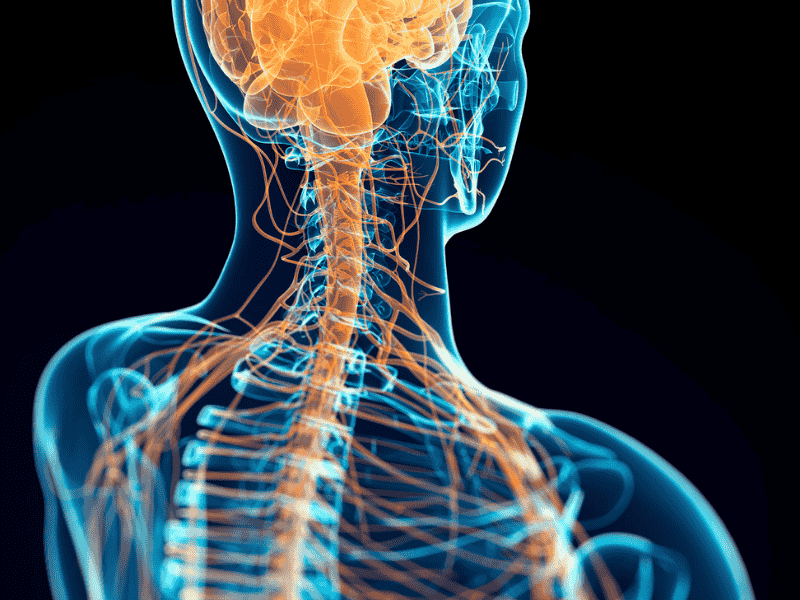
The vagus nerve is the tenth cranial nerve (X), and the longest in the body. It extends from the brain to the abdomen, connecting and regulating vital organ functions in the neck, thorax and abdomen. It is an essential component of the parasympathetic nervous system, responsible for conserving and restoring energy.
Main functions of the vagus nerve:
-
Heart rate and blood pressure regulation
-
Control of digestion and gastric secretions
-
Swallowing and vomiting coordination
-
Saliva, mucus and sweat production
-
Contraction of the bronchial tubes and lymphatic system
-
Influence on voice tone and cough reflex.
The proper functioning of the vagus nerve is closely related to an adequate stress response and a balanced nervous system.
Yin Yoga and vagus nerve: how are they related?
1. Activation of the parasympathetic nervous system
During the practice of Yin Yoga, the body enters a state of deep relaxation, which reduces the fight or flight (stress) response and activates the parasympathetic nervous system, of which the vagus nerve is a fundamental part.
Conscious breathing and vagal regulation
Yin Yoga emphasizes slow, deep breathing, a key factor in stimulating the vagus nerve. This diaphragmatic breathing activates the parasympathetic branch of the autonomic nervous system, helping to slow the heart rate and induce a state of calm.
3. Improvement of heart rate variability (HRV)
High heart rate variability (HRV) is an indicator of vagal health and adaptability to stress. Practices such as Yin Yoga, which combine sustained stretching and mindfulness, have been shown to improve HRV, directly benefiting vagus nerve function.
4. Emotional release from the connective tissue
Holding postures for several minutes allows the release of emotions stored in the body. Emotional release can contribute to more effective emotional regulation, decreasing chronic stress and promoting vagus nerve health.
5. Stimulation of key areas of the body
Certain Yin Yoga postures, such as forward bends or gentle twists, indirectly stimulate the path of the vagus nerve in the abdomen. This can influence digestion, bowel function and visceral relaxation, reinforcing its therapeutic effect.
6. Reduction of chronic pain
Yin Yoga passive stretching can relieve muscle and joint pain by releasing accumulated tension. This pain reduction can positively impact the perception of well-being and the regulation of the autonomic nervous system.
Final considerations
Although every body is different, and the effects may vary, numerous studies point to the fact that regular practice of Yin Yoga can improve vagus nerve function, thus strengthening the balance between body and mind.
Consulting with health professionals and tailoring the practice to your personal needs is key to ensuring a safe and effective experience.
Yin Yoga is much more than a physical practice: it is a powerful tool to activate the vagus nerve, regulate the nervous system, reduce stress and promote holistic wellness. Integrating this type of yoga into the daily routine can be an effective strategy to improve physical, emotional and energetic health.