


Yin Yoga and its benefits on fascia
Yin Yoga is a style of yoga derived from Hatha yoga, where the asanas (postures) are held in a relaxed manner for 2 to 5 minutes. This practice allows to deepen each posture, calming the mind and stimulating the Chi or Qi, the vital energy according to Chinese medicine. Thus, the body and mind are prepared to enter a deep state of relaxation and meditation.
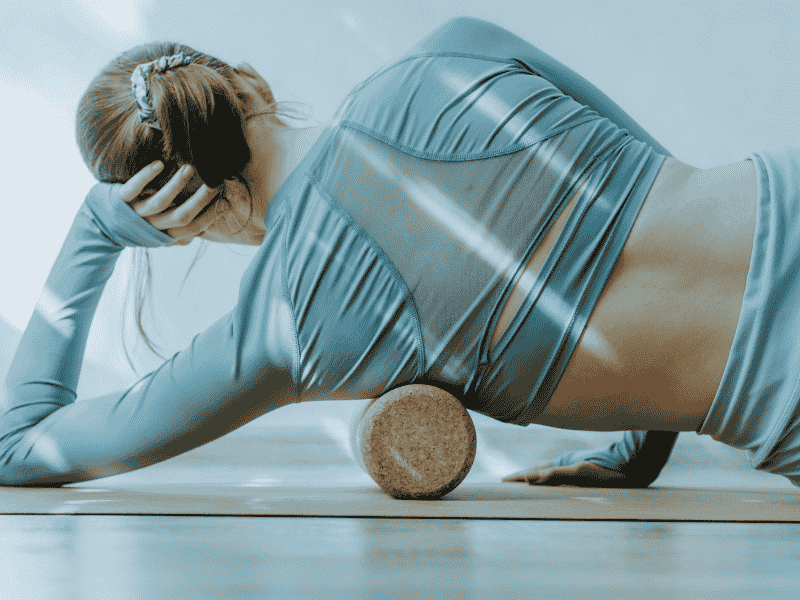
Fascia stimulation and care
In Yin Yoga the muscles are not activated; the focus is on relaxing and stretching. This stimulates and rejuvenates the connective tissues such as fascia, ligaments, tendons, joints and synovial fluid, as well as the energy channels or meridians that run through these tissues.
What is fascia and why is it important?
Fascia is a key component in the body structure, crucial for the mobility, flexibility and function of the tissues. Through the constant practice of Yin Yoga, stretching and pressure is directed towards the fascia, bringing multiple benefits.
Benefits of Yin Yoga on the fascia
-
Improved elasticity and flexibility: Maintaining prolonged postures allows the fascia to stretch and adapt, increasing range of motion and reducing muscle or joint stiffness.
-
Release of energetic blockages: By working the meridians, Yin Yoga helps to unblock the flow of energy, promoting physical and emotional health.
-
Hydration and circulation: Stretching and compression improves fluid circulation, keeping the fascia hydrated and healthy.
-
Positive stress: Sustained stretching stimulates fascial cells and collagen production, key to tissue elasticity and strength.
Impact on the nervous system
The fascia is connected to the nervous system. Yin Yoga can relieve nervous tension, especially in areas such as the lower back or hips, improving communication between the central and peripheral nervous system and reducing stiffness and discomfort.
Injury prevention and emotional well-being
Regular practice can prevent injuries and release accumulated tensions caused by sedentary lifestyles, stress or previous injuries. In addition, Yin Yoga promotes the mind-body connection, helping to release emotional tensions stored in the fascia.
Moving meditation and mindfulness
Yin Yoga acts as a moving meditation, inviting you to develop mental stamina and the ability to stay in the present. This reduces stress and anxiety, promoting deep relaxation and self-reflection.
Physiological benefits and detoxification
Deep stretching increases the plasticity of the fascia, breaking down its natural stiffness caused by stress or lack of movement. In addition, increased blood and lymphatic circulation helps eliminate toxins trapped in the connective tissue, keeping the fascia healthy.
Patience and acceptance
By holding challenging postures, Yin Yoga fosters acceptance and patience towards oneself, qualities that can be transferred to daily life, promoting a balanced and resilient mindset.
Important: Yin Yoga is not suitable for everyone. Those with injuries or medical conditions should consult a professional before practicing, and learn the postures correctly to avoid injury.
Yin Yoga is an effective practice to take care of the fascia, stimulating its elasticity and resistance through a “positive stress” approach. Its benefits include improved nerve function, injury prevention and mind-body connection, making it an ideal choice for holistic wellness.