


Meditation and low back pain: how to relieve low back pain naturally
What is meditation and how can it help you?
Meditation is an ancient practice whose main objective is to bring the mind to a state of calm, mindfulness and presence. It has been scientifically proven to reduce stress and anxiety levels, factors commonly related to chronic low back pain.
Those who practice meditation learn to connect with their body and mind, using techniques such as conscious breathing, thought observation and mindfulness. This practice helps to generate a sense of inner peace, which is vital for those suffering from physical discomfort.
There are many types of meditation, from mindfulness to guided meditation, all adaptable to the needs of each person.
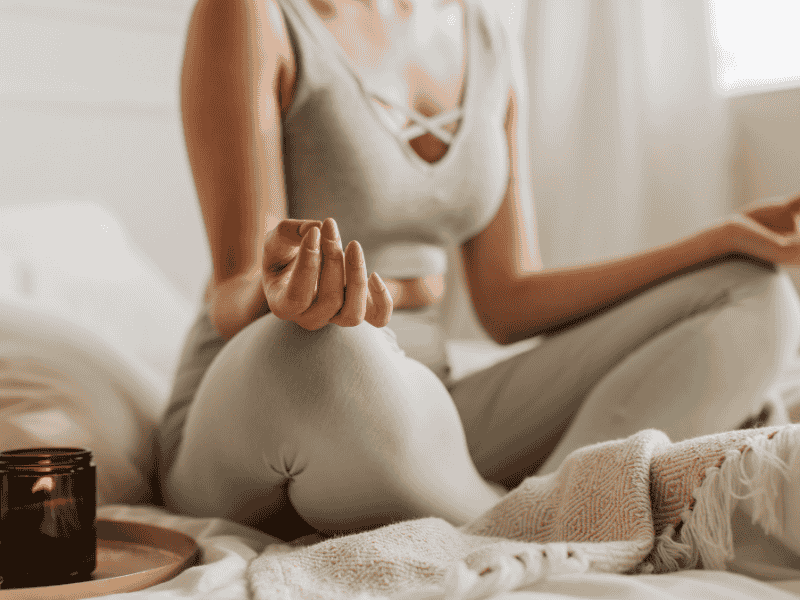
What is low back pain?
Low back pain (or lumbago) refers to pain located in the lower back. It is one of the most common ailments, affecting 70% of people at some point in their lives.
Most common types of low back pain:
-
Low back (lumbar) pain
-
Low back pain right or left side
-
Pain radiating to the hip or pelvis
-
Pain in the waist or lumbopelvic area
-
Chronic low back pain: when it persists for more than 3 months.
These symptoms may vary depending on the cause: bad posture, herniated discs, muscle tension or emotional causes.
How are meditation and low back pain related?
Several studies support the efficacy of meditation as a complementary tool for the relief of low back pain. Although it does not replace medical treatment, its regular practice offers multiple physical, mental and emotional benefits.
Benefits of meditation for low back pain:
Muscle relaxation
Meditation helps reduce muscle tension, especially in the lower back, which relieves pain caused by stress or physical overload.
Increased body awareness
By meditating, we develop active listening to the body, which allows us to identify areas of discomfort before pain intensifies.
3. Anxiety reduction
Mindfulness decreases anxiety related to the anticipation of pain, helping to face symptoms with greater serenity.
4. Change in the perception of pain
The constant practice of meditation can modify the way in which the brain processes pain signals, causing it to be perceived with less intensity.
5. Improved breathing and oxygenation
The deep breathing techniques used in meditation improve blood circulation and tissue oxygenation, which promotes muscle recovery.
6. Emotional well-being
Meditation strengthens emotional resilience, which helps to better manage the impact of chronic pain on daily life.
7. Adaptation and acceptance
An attitude of conscious acceptance allows people to better adapt to their physical limitations, reducing frustration and suffering.
Tips for complementing meditation with good postural habits
Meditation and postural care go hand in hand. We recommend you:
-
Maintaining an upright posture when sitting or standing
-
Incorporate active breaks during work
-
Practicing ergonomics at home and in the office
-
Integrate brief moments of mindfulness throughout the day.
Even 5 minutes of meditation a day can make a difference.
How to start meditating if I have low back pain?
-
Choose a quiet and comfortable environment
-
Adopt a proper posture, sitting or lying down.
-
Close your eyes and focus your attention on your breathing.
-
Accept thoughts without judging them and gently return to the present.
-
Start with 5-10 minute sessions and gradually increase the duration.
Meditation is a powerful and natural practice that can help you relieve low back pain, improve your well-being and transform your relationship with your body. It does not replace medical treatment, but it is an excellent ally in managing chronic low back pain.
Always consult a health professional for a proper diagnosis and personalized treatment.